"One of the worldâs most formidable environmentalists" âThe Guardian

"A star among environmental, activist, and anti-corporate circles" âVice
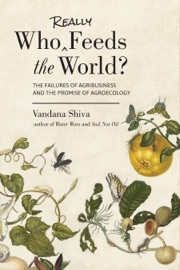
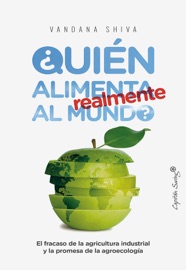
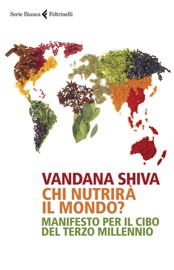
Who Really Feeds the World? is a powerful manifesto and a call-to-action for the solutions we need and the steps we need to take to survive in an era of climate collapse, threatened foodways, and urgent unsustainability.
The book is a rallying cry for agricultural justice, resilience, and genuine sustainability, and draws upon revolutionary environmental activist Vandana Shivaâs 30+ years of research and accomplishments in the field. Instead of relying on genetic modification and large-scale monocropping to solve the worldâs food crisis, she proposes that we look to agroecologyâthe knowledge of the interconnectedness that creates foodâas a truly life-giving alternative to the harmful industrial paradigms of Big Ag.
Shiva succinctly and eloquently lays out the networks of people and processes that feed the world, exploring issues of diversity, the needs of small farmers, the importance of seed saving, the movement toward localization, and the role of women in producing the world's food.
"One of the worldâs most formidable environmentalists" âThe Guardian
"A star among environmental, activist, and anti-corporate circles" âVice
Who Really Feeds the World? is a powerful manifesto and a call-to-action for the solutions we need and the steps we need to take to survive in an era of climate collapse, threatened foodways, and urgent unsustainability.
The book is a rallying cry for agricultural justice, resilience, and genuine sustainability, and draws upon revolutionary environmental activist Vandana Shivaâs 30+ years of research and accomplishments in the field. Instead of relying on genetic modification and large-scale monocropping to solve the worldâs food crisis, she proposes that we look to agroecologyâthe knowledge of the interconnectedness that creates foodâas a truly life-giving alternative to the harmful industrial paradigms of Big Ag.
Shiva succinctly and eloquently lays out the networks of people and processes that feed the world, exploring issues of diversity, the needs of small farmers, the importance of seed saving, the movement toward localization, and the role of women in producing the world's food.