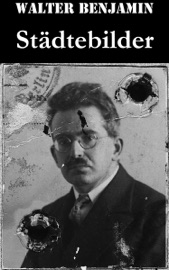
Walter Benjamin discusses whether art is diminished by the modern culture of mass replication, arriving at the conclusion that the aura or soul of an artwork is indeed removed by duplication.

In an essay critical of modern fashion and manufacture, Benjamin decries how the technology and innovation of mass production is affecting the arts. The notion of fine arts is threatened by an absence of scarcity; an affair which diminishes the authenticity and essence of the artistâs work. Though the process of art replication dates back to classical antiquity, only the modern era allows for a mass quantity of prints or mass production of trinkets mirroring a given style.
Given that the unique aura of an artistâs work, and the reaction it provokes in those who see it, is diminished, Benjamin posits that artwork is much more political in significance. The style of modern propaganda, of the use of art for the purpose of generating raw emotion or arousing belief, is likely to become more prevalent versus the old-fashioned production of simpler beauty or meaning in a cultural or religious context.
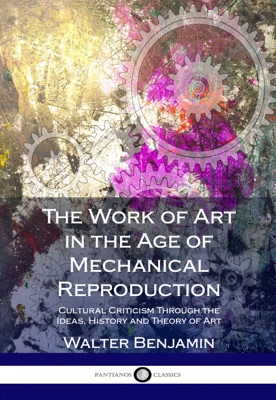
The Work of Art in the Age of Mechanical Reproduction - Walter Benjamin
Walter Benjamin discusses whether art is diminished by the modern culture of mass replication, arriving at the conclusion that the aura or soul of an artwork is indeed removed by duplication.

In an essay critical of modern fashion and manufacture, Benjamin decries how the technology and innovation of mass production is affecting the arts. The notion of fine arts is threatened by an absence of scarcity; an affair which diminishes the authenticity and essence of the artistâs work. Though the process of art replication dates back to classical antiquity, only the modern era allows for a mass quantity of prints or mass production of trinkets mirroring a given style.
Given that the unique aura of an artistâs work, and the reaction it provokes in those who see it, is diminished, Benjamin posits that artwork is much more political in significance. The style of modern propaganda, of the use of art for the purpose of generating raw emotion or arousing belief, is likely to become more prevalent versus the old-fashioned production of simpler beauty or meaning in a cultural or religious context.