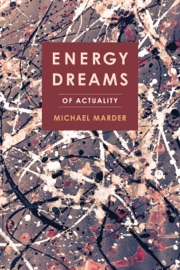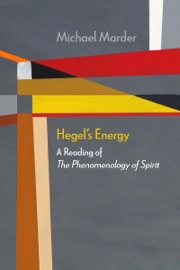
Hegelâs The Phenomenology of Spirit has been one of the most important works of philosophy since the nineteenth century, while the question of energy has been crucial to life in the twenty-first century. In this book, Michael Marder integrates the two, narrating a story about the trials and tribulations of energy embedded in Hegelâs dialectics. Through an original interpretation of actuality (Wirklichkeit) as energy in the Hegelian corpus, the book provides an exciting lens for understanding the dialectical project and the energyâstarved condition of our contemporaneity. To elaborate this theory, Marder undertakes a meticulous rereading of major parts of the Phenomenology, where the energy deficit of mere consciousness gives way to the energy surplus of selfâconsciousness and its selfâdelimitation in the domain of reason. In so doing, he denounces the current understanding of energy as pure potentiality, linking this mindset to pollution, profit-driven economies, and environmental crises. Surprising and deeply engaged with its contemporary implications, this book doesnât simply illuminate aspects of The Phenomenology of Spiritâit provides an entirely new understanding of Hegelâs ideas.