Set in the last years of the 16th century, Cautivos is a meditation on writing, writers, and creativity. More than that, this short novel is about confinement, both of the mind and of the body, and therefore also about liberation. Then as now, Islam and Christianity were at loggerheads and women found themselves playing new roles, and imprisonment or worse was societyâs answer to everything from murder to dissent.
Writer/activist Ariel Dorfman imagines for us scenes from the picaresque life of Miguel de Cervantes, a man who wrestled as intensely with the contradictions implicit in writing fictionâhow can one write something ârealâ if it is labelled fiction, but in fact how can one write anything ârealâ unless it is fiction?âas any scribbler who followed him in the centuries since. Cervantes, of course, was the soldier, spy and adventurer who in 1605 gave the world Don Quixote, often described as the first modern novel, a book that has influenced Western culture perhaps more than any other book save the Bible.
In Cautivos, we are witness to the birth of the spirit of Don Quixote de la Mancha: an honorable if doomed figure whose travails mirror those of Miguel de Cervantes himself. Few writers have written more lovingly about their subjects than Cervantes wrote about his Quixote, and few are better positioned to appreciate the spiritual journey of Cervantes himself than Ariel Dorfman, whoânot unlike Cervantesâhas been alternately hounded and fĂȘted by those in authority.
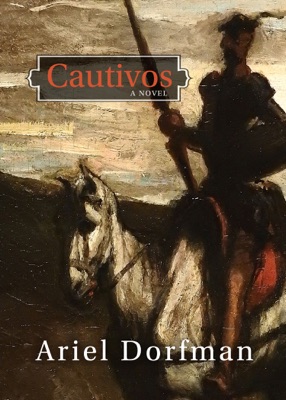
Set in the last years of the 16th century, Cautivos is a meditation on writing, writers, and creativity. More than that, this short novel is about confinement, both of the mind and of the body, and therefore also about liberation. Then as now, Islam and Christianity were at loggerheads and women found themselves playing new roles, and imprisonment or worse was societyâs answer to everything from murder to dissent.
Writer/activist Ariel Dorfman imagines for us scenes from the picaresque life of Miguel de Cervantes, a man who wrestled as intensely with the contradictions implicit in writing fictionâhow can one write something ârealâ if it is labelled fiction, but in fact how can one write anything ârealâ unless it is fiction?âas any scribbler who followed him in the centuries since. Cervantes, of course, was the soldier, spy and adventurer who in 1605 gave the world Don Quixote, often described as the first modern novel, a book that has influenced Western culture perhaps more than any other book save the Bible.
In Cautivos, we are witness to the birth of the spirit of Don Quixote de la Mancha: an honorable if doomed figure whose travails mirror those of Miguel de Cervantes himself. Few writers have written more lovingly about their subjects than Cervantes wrote about his Quixote, and few are better positioned to appreciate the spiritual journey of Cervantes himself than Ariel Dorfman, whoânot unlike Cervantesâhas been alternately hounded and fĂȘted by those in authority.